Understanding Caribbean Apartment Lease Terms and Contracts
Key Differences from UK Tenancy Law
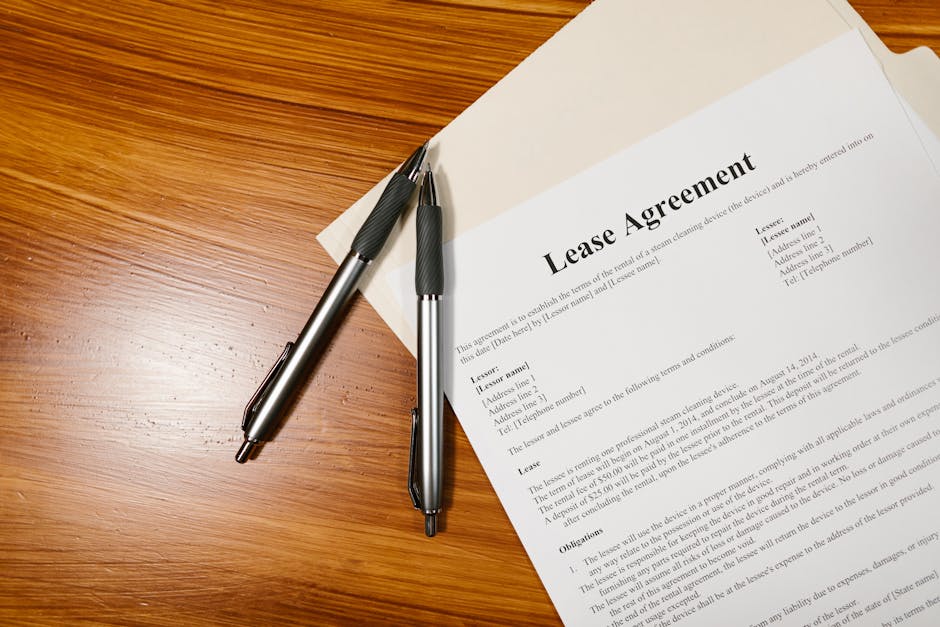
Caribbean lease agreements differ significantly from UK tenancy law. Each island has its own regulations, and many operate on less formalised systems than Britain. Understanding these differences protects you legally and financially. Unlike the UK's mandatory deposit protection schemes, Caribbean deposits may not have the same safeguards. Always request written confirmation of deposit handling and conditions for return.
Many Caribbean leases are shorter-term than UK equivalents, often structured as annual agreements with renewal options. This flexibility suits tourists and short-term visitors but requires careful attention to renewal dates and terms.
Essential Lease Clauses to Review
- Lease duration and renewal terms
- Rent amount, payment schedule, and accepted payment methods
- Deposit amount and return conditions
- Utility responsibility and cost allocation
- Maintenance and repair responsibilities
- Pet policies and restrictions
- Cancellation conditions and penalties
- Landlord access rights and notice periods
Deposit Protection
Clarify how your deposit is held and protected. Request a signed inventory of the property's condition before moving in. Take dated photos and videos documenting the apartment's state. This protects you when the lease ends and the landlord assesses deductions. Some landlords withhold deposits unfairly, so documentation is crucial.
Ask whether your deposit earns interest and, if so, whether you'll receive it. Some Caribbean jurisdictions require landlords to pay interest on deposits held for extended periods, though enforcement varies.
Utility and Service Costs
Confirm which utilities are included in rent and which you'll pay separately. Water and electricity costs can be substantial in the Caribbean. Establish how bills are calculated and paid. Some landlords include utilities in a flat fee, whilst others charge based on consumption. Understand your responsibility if utilities are shared with other units.
Internet reliability matters significantly for remote workers. Verify internet speed and stability before signing. Some properties have unreliable connections unsuitable for professional work. Request a trial period if possible.
Maintenance Responsibilities
Clearly define who handles repairs and maintenance. In tropical climates, humidity and salt air cause rapid deterioration. Establish response times for urgent repairs like air conditioning or water system failures. Request a maintenance request process and expected resolution timeframe.
Cancellation and Exit Terms
Understand cancellation policies thoroughly. Some leases require several months' notice for cancellation, with financial penalties for early exit. Others offer more flexibility. If your plans might change, negotiate flexible terms upfront. Some landlords charge a cancellation fee regardless of circumstances, so clarify these costs.
Getting Legal Advice
For long-term rentals or significant investments, consider hiring a local lawyer to review the lease. The cost is minimal compared to potential disputes. They understand local regulations and can identify unfavourable terms. Many Caribbean law firms offer remote consultations for UK-based clients.
Never sign a lease you don't fully understand. Ask questions, request clarifications, and insist on written responses. A reputable landlord will welcome your due diligence.